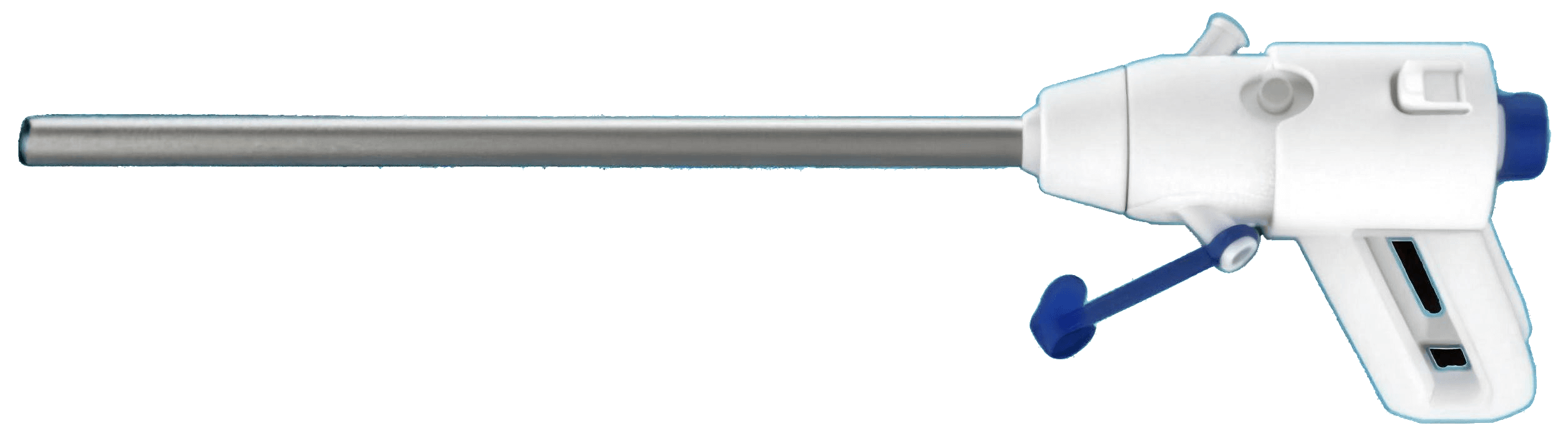
Model 01
TISE-01 Uniportal PLD
The foundation — Full HD at the tip, 130° field of view, integrated working channel.
TISE is a family of three Full HD single-use spinal endoscopes — one digital imaging core, offered in three shaft sizes with different tip view angles and working lengths for uniportal and biportal approaches.
A new sterile scope every case. No reprocessing, no cross-infection risk.
46 g against 214 g conventional — no light cable, no camera head.
130° field of view, less distortion, fixed focus, anti-ESU interference.
Dual LED at the tip, all 20 grayscale levels, bleeding stands out.
No tower investment. No optic scope wearing out over 50–100 cases.
The foundation — Full HD at the tip, 130° field of view, integrated working channel.
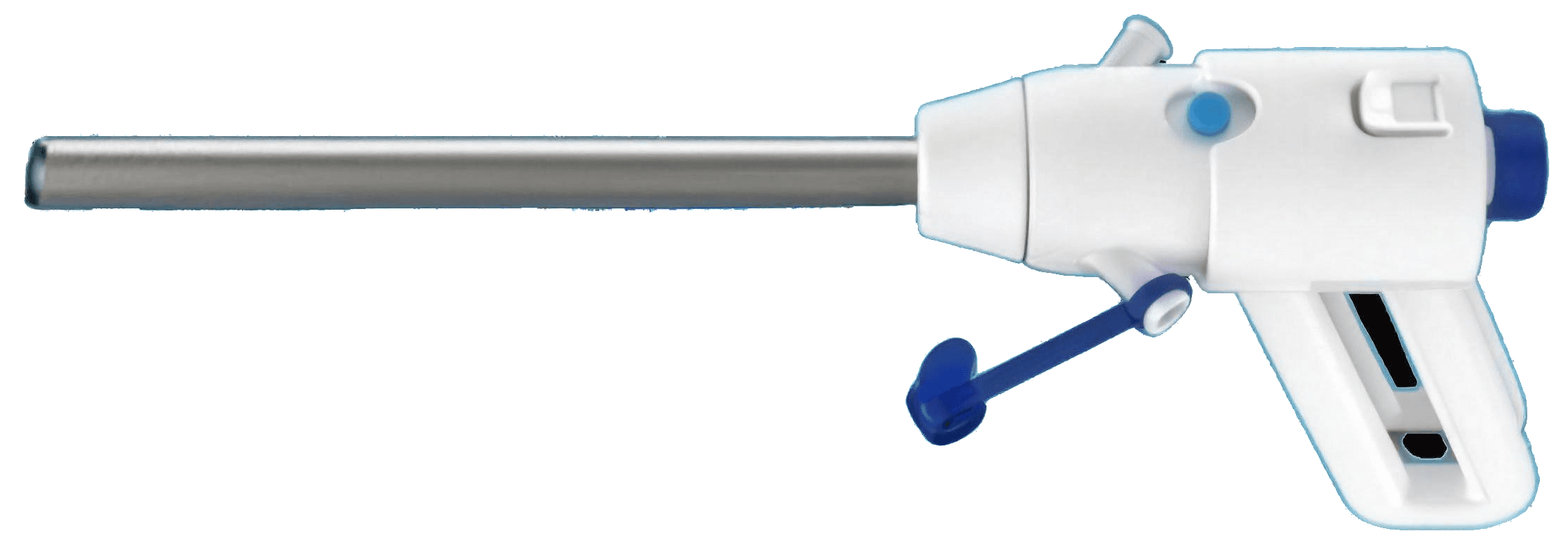
The same imaging core in a wider 10 mm shaft — for PSLD decompression.
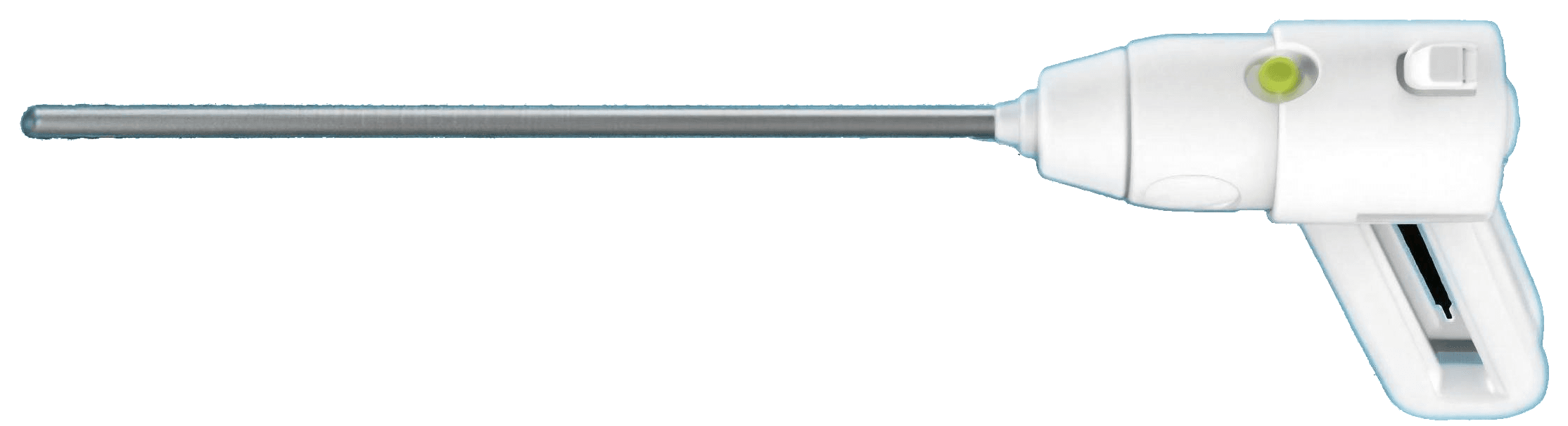
Biportal UBE — a 4.7 mm shaft, instruments through the second portal.
| Model | TISE-01 | TISE-02 | TISE-03 |
|---|---|---|---|
| Approach | Uniportal PLD | Uniportal PSLD | Biportal UBE |
| OD | 8.6 mm | 10.0 mm | 4.7 mm |
| DOV | 30° | 15° | 0° |
| FOV | 130° | 130° | 130° |
| WD | 181 mm | 130 mm | 170 mm |
| DOF | 5–50 mm | 5–50 mm | 5–50 mm |
| WL | 273 mm | 218 mm | 273 mm |
| WC | ø4.3 mm | ø5.8 mm | N/A |
OD outer diameter · DOV direction of view · FOV field of view · WD working distance · DOF depth of field · WL working length · WC working channel (TISE-03 is biportal — none needed).
| Specification | Widescreen Display | HD Portable Display |
|---|---|---|
| Manufacturer | AUO-BenQ | Tech-Image |
| Screen size | 27″ | 13.3″ |
| Resolution | 3840 × 2160 | 1920 × 1080 |
| DICOM | Supported | Supported |
The handle detaches and converts between straight and pistol grip — one scope, either way the surgeon works.
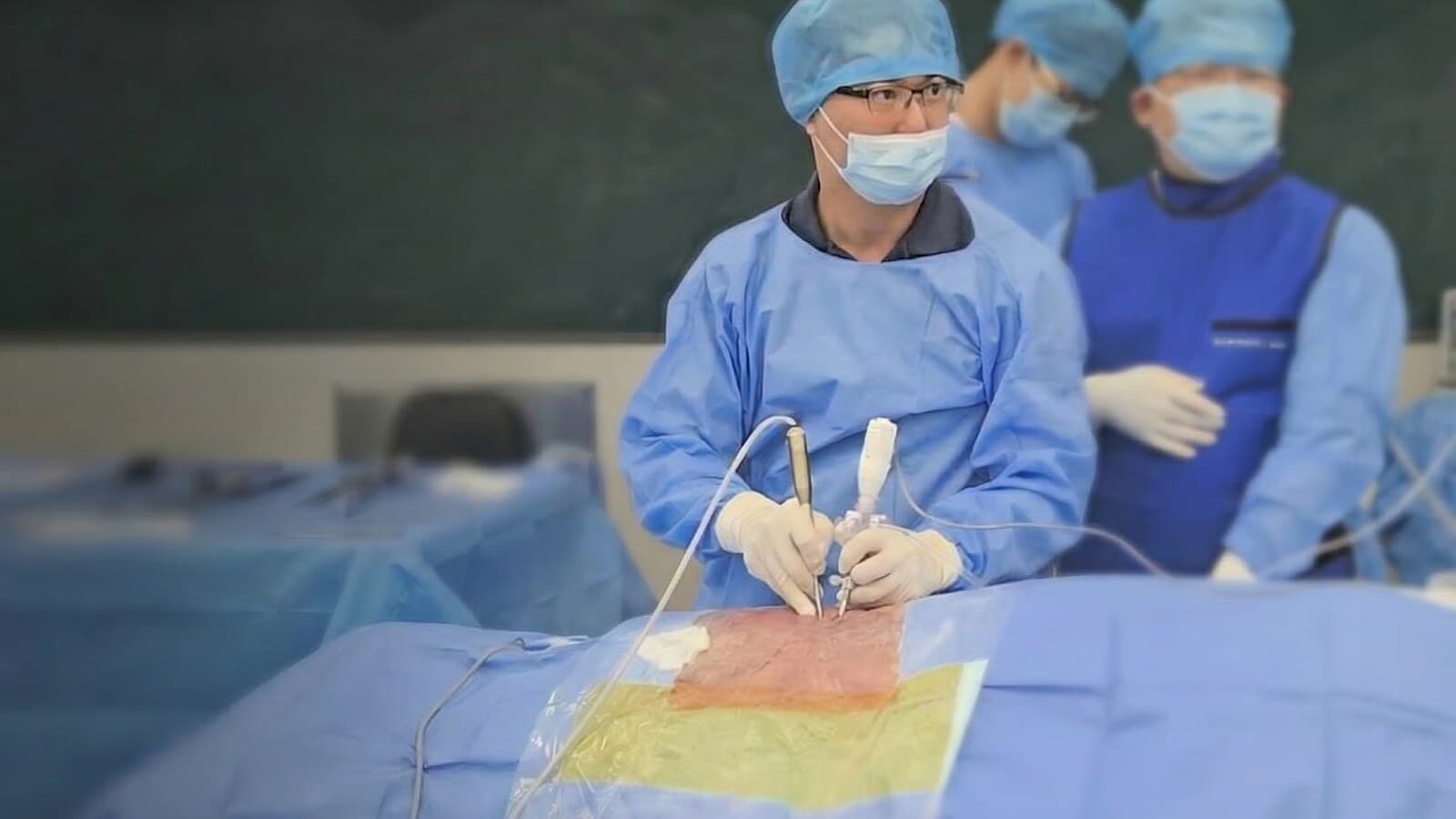
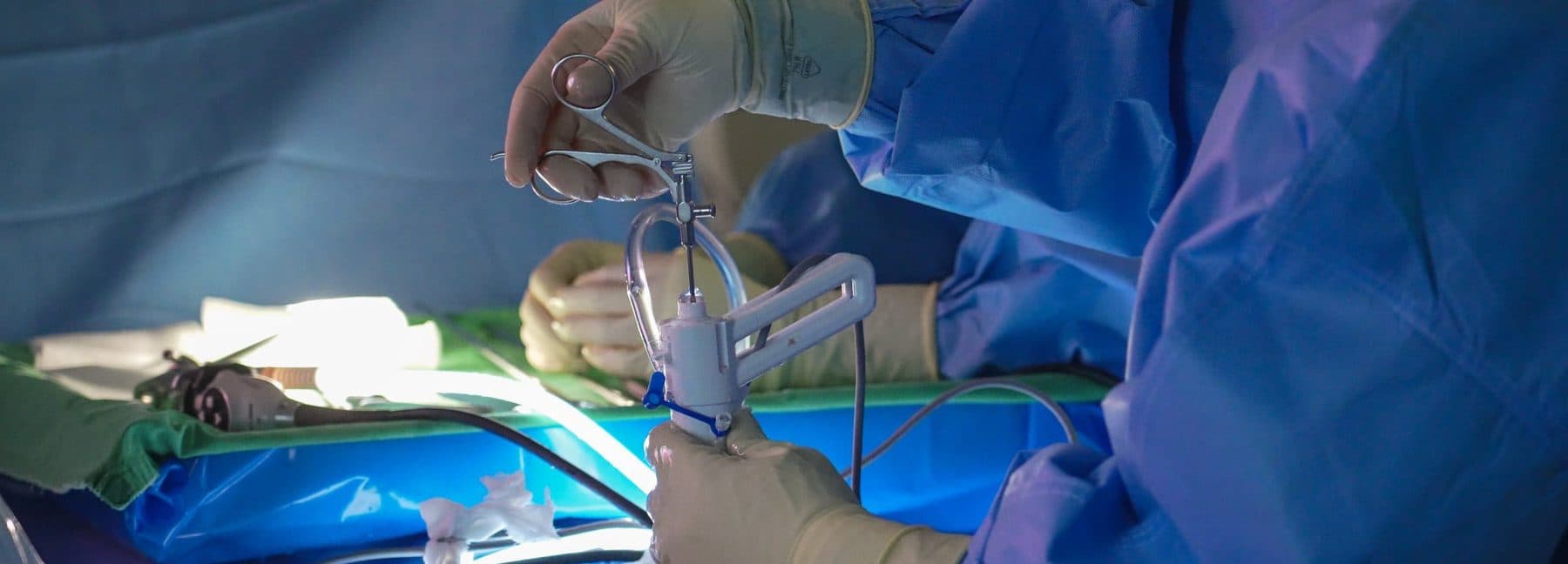
The entire tower, reduced to a portable touchscreen.
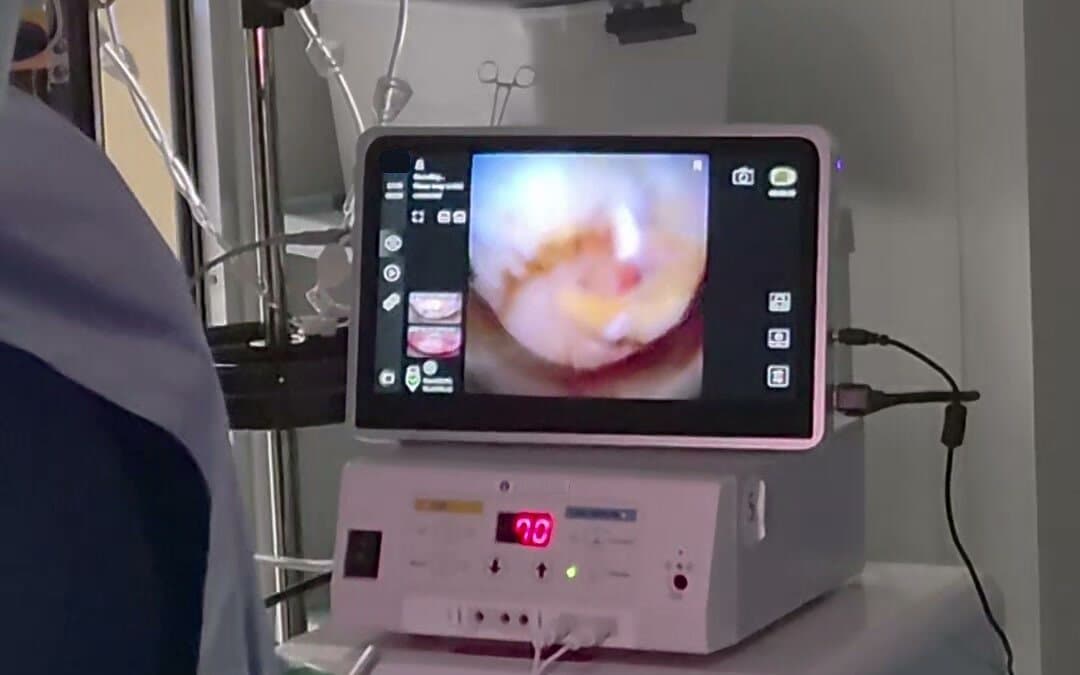
The same Full HD image at the table and across the room.
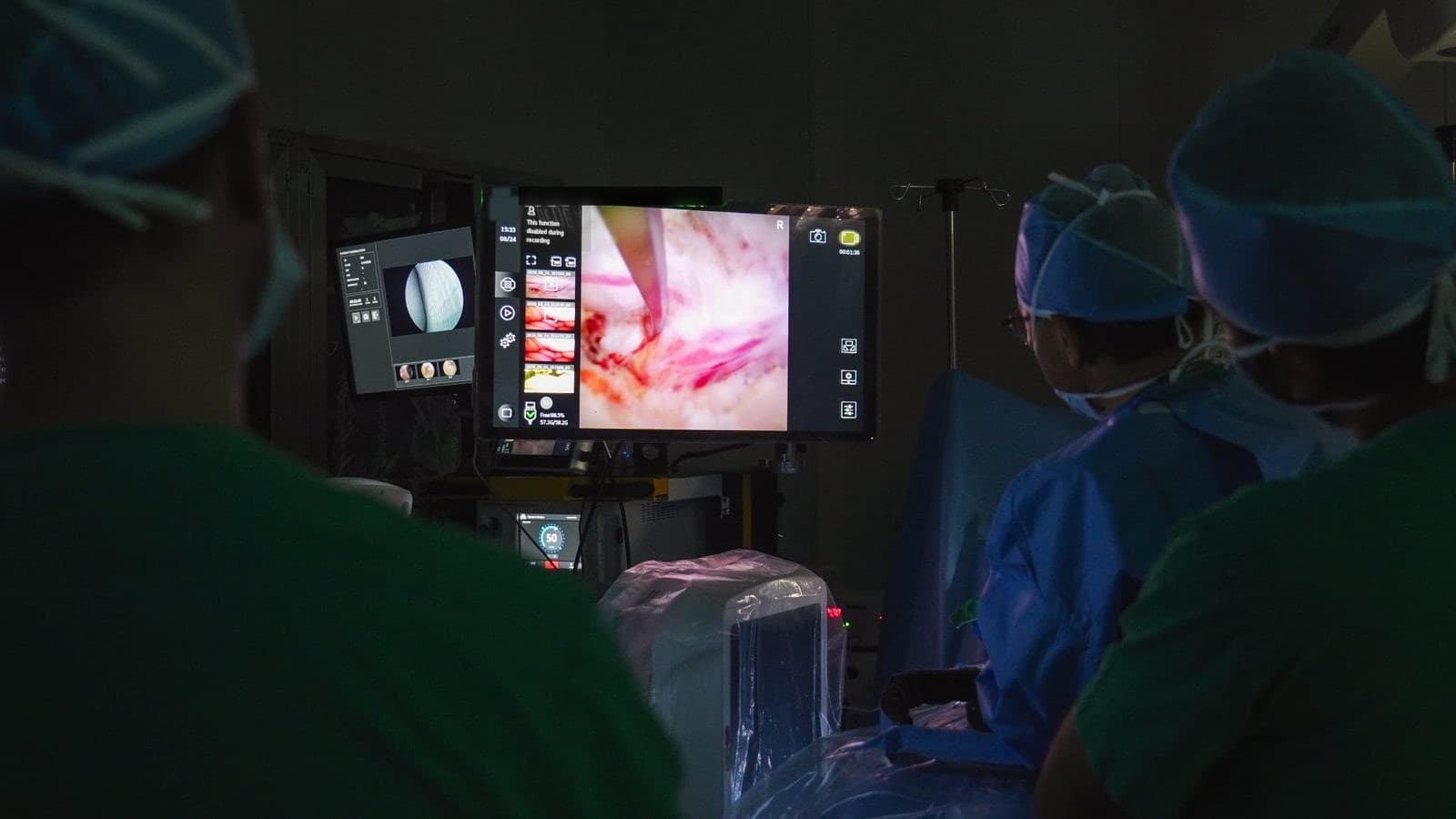
Motion on screen is motion at the tip — no perceptible delay.
The first question a surgeon asks of any electronic scope: does the screen keep up with my hands? TISE displays what the sensor sees in real time.
No tower investment — and none of the reusable-scope ledger:
With TISE? Open a new one.
A new sterile scope every case — no residual contamination, no infection-event exposure.
A reprocessed instrument always carries residual contamination risk — and with it, exposure to the litigation that follows an infection event. TISE never touches a second patient.
No camera head or cables on the wrist. Fatigue doesn't build through an afternoon list.
Endoscopic spine procedures run long, and a conventional scope hangs a camera head and cables off the surgeon's wrist for all of them. TISE weighs 46 grams.
No optic relay to fog. A sealed sensor at the tip — and every scope is on its first case.
Every endoscopic spine surgeon knows the sequence: irrigation runs through the field while the drill and RF probe heat it. Temperature swings and micro-damage to the optic lens do the rest — the image fogs, and an optic scope that fogs is at the beginning of its end.
What long, repetitive endoscopic spine surgery does to the surgeon — from the literature reviewed at 2026 KOSESS (Seoul, August 29).
Operative time, one-level to three-level MIS-TLIF.
Neck pain in the past 12 months · 52.8% with neck-related disability.
Work-related musculoskeletal disorder · 38.2% needed treatment · 13.4% lost work time.
Leave, practice restriction or early retirement after a work-related MSD.
“Happy surgeon, safe patient.”
Panel discussion, 2026 KOSESS
TISE on the same question: 46 g in the hand, the tower reduced to a touch console.
TISE doesn't claim a better image — it delivers the one surgeons already trust, captured digitally at the tip, with nothing to fog.
Shown same-patient views — optic scope vs TISE — and asked to pick the digital one, surgeons could rarely tell.
Judged side by side with optic scopes by the surgeons who use them.
130° field of view, against 80° on a conventional optic scope.
A sealed digital sensor — no optic relay for moisture to reach.
No glass lens train to age, drift, or fail across cases.
Product films, clinical evidence, and a training curriculum — published here as each is finalized.
A gloved, in-OR demonstration of the detachable handle — straight to pistol and back.
In productionA guided demo of the touchscreen — capture, recording, and color — exactly as it runs in the OR.
In productionA structured same-patient comparison presented to surgeons, and the technical paper behind it.
In productionHands-on workshops, clinical lectures, and cadaver training — a tiered curriculum to mastery.
Explore trainingWhether you're a surgeon interested in training, a hospital evaluating digital single-use endoscopy, or a partner exploring the market — we'd love to hear from you.
